Now Accepting New Patients · OPD Hours: Mon – Sat · 11 AM – 9 PM · 0327 – 3385218
Eastern Medicine Overview · BEMS Legacy

Overview

Eastern Medicine integrates Greco-Arab healing practices with modern wellness techniques — a timeless therapeutic system rooted in 1,300 years of wisdom.

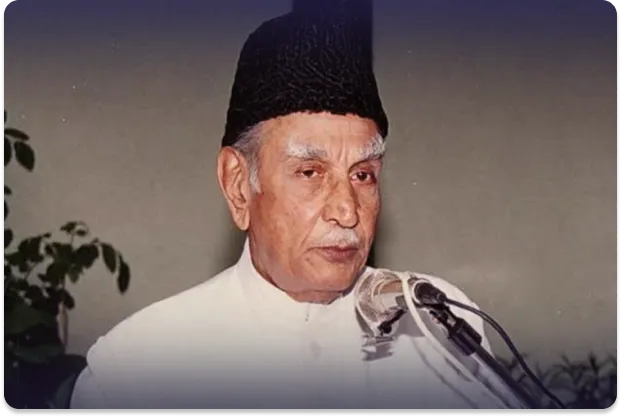
Hk. Muhammad Said, founder of Hamdard and pioneer of Eastern Medicine in Pakistan
Hk. Muhammad Said
Founder, Hamdard Pakistan · Pioneer of Eastern Medicine
The Legacy

Pakistan Clinicem proudly continues the legacy of Hk. Muhammad Said, the visionary who established Hamdard in 1948. A global ambassador of Eastern Medicine, he revolutionized holistic healthcare by blending ancient healing wisdom with modern scientific rigor — establishing Eastern Medicine as a recognised, timeless therapeutic system.

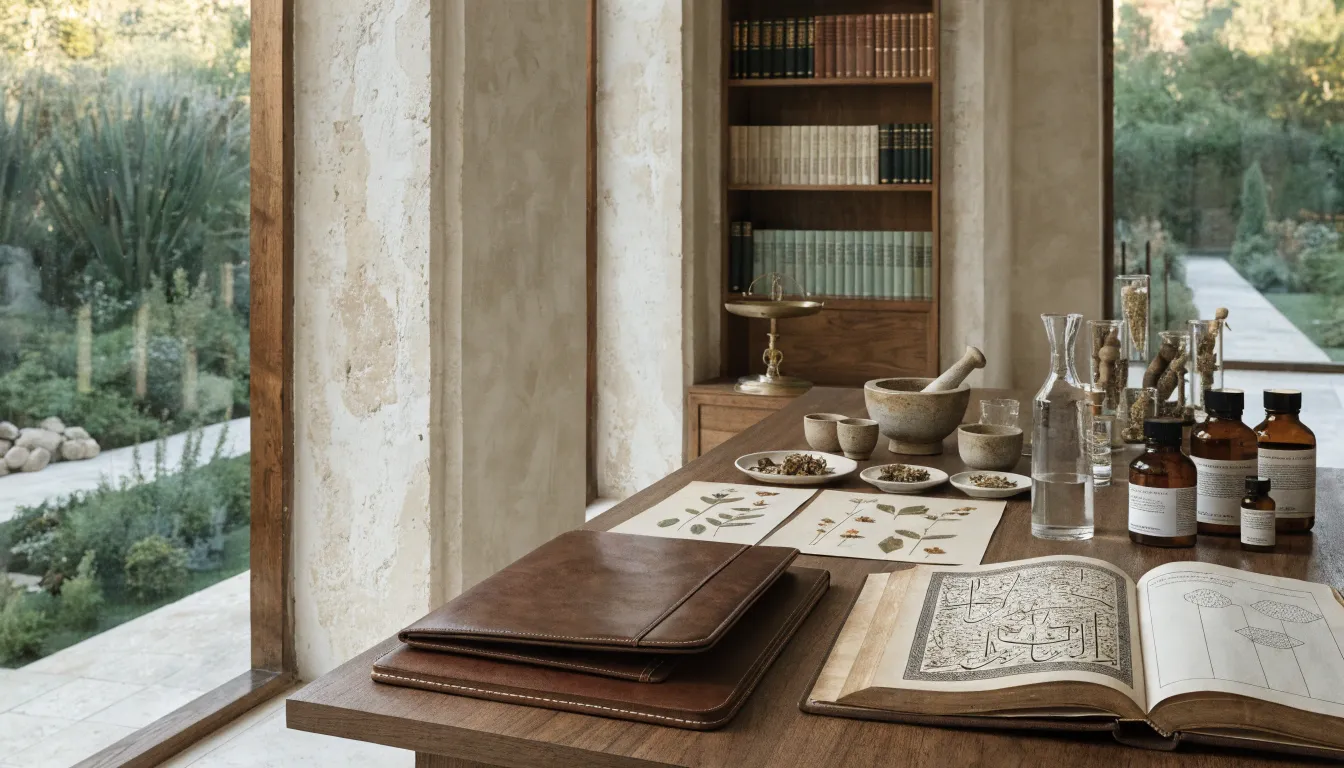
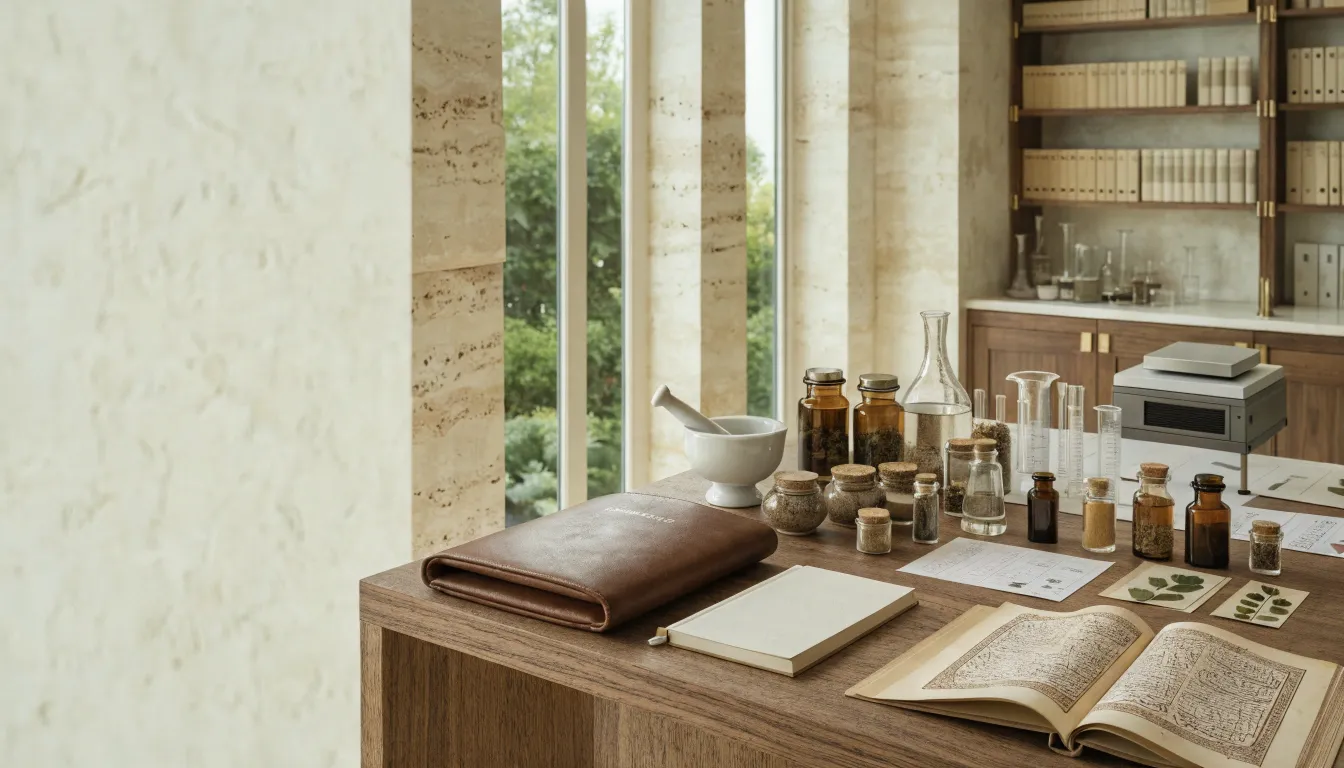
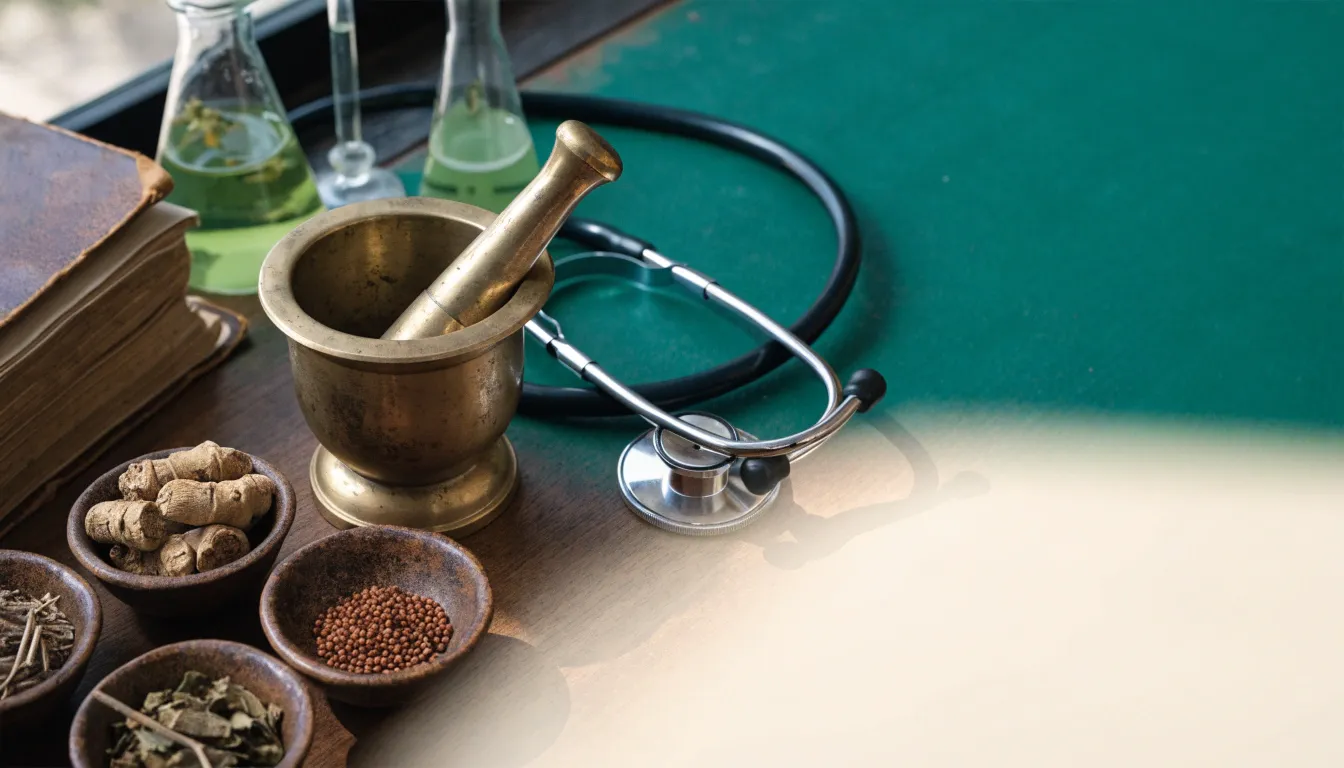
Eastern Medicine: Greco-Arab, Ayurveda and Traditional Chinese Medicine integrated with modern medical science
Integrative ApproachTradition + modern science
Defining the Term

What Is Eastern Medicine?

Eastern Medicine is an integrative approach to healthcare that brings together the major traditional systems of the East — Greco-Arab (Unani), Ayurveda and Traditional Chinese Medicine — with contemporary medical sciences.

Rather than treating isolated symptoms, it assesses the whole person: constitution, lifestyle, diet and environment, alongside modern diagnostics. Hk. Muhammad Said recognized early that these traditions had to be studied, correlated and integrated with modern science if they were to serve humanity in the years ahead. The BEMS program followed in 1994 at Hamdard University.

The Systems Eastern Medicine Brings Together

Each tradition has its own history and method. Eastern Medicine studies them side by side and tests them against modern medical science.

Greece · Arab world · South Asia

Greco-Arab (Unani) Medicine

Built on Greek foundations and expanded by Arab, Persian and other physicians such as Razi and Ibn Sina. It reads health through temperament (Mizaj), the four humors (Akhlat) and the body’s own healing nature (Tabiyat). BEMS is the regulated qualification in this system.

Indian subcontinent

Ayurveda

The classical medical system of the Indian subcontinent. It works to balance the body’s three doshas — vata, pitta and kapha — through diet, lifestyle, herbs and therapies.

China

Traditional Chinese Medicine

China’s classical system, built around the balance of yin and yang and the circulation of qi, using herbal formulas, acupuncture and dietary therapy.

Further reading: Chinese medicine in Pakistan(opens in a new tab) (Chinese Medicine and Culture, 2024)

…integrated with contemporary medical sciences

AnatomyPhysiologyPathologyPharmacologyPharmacognosyCommunity medicineBiostatisticsClinical research methodsModern diagnostics
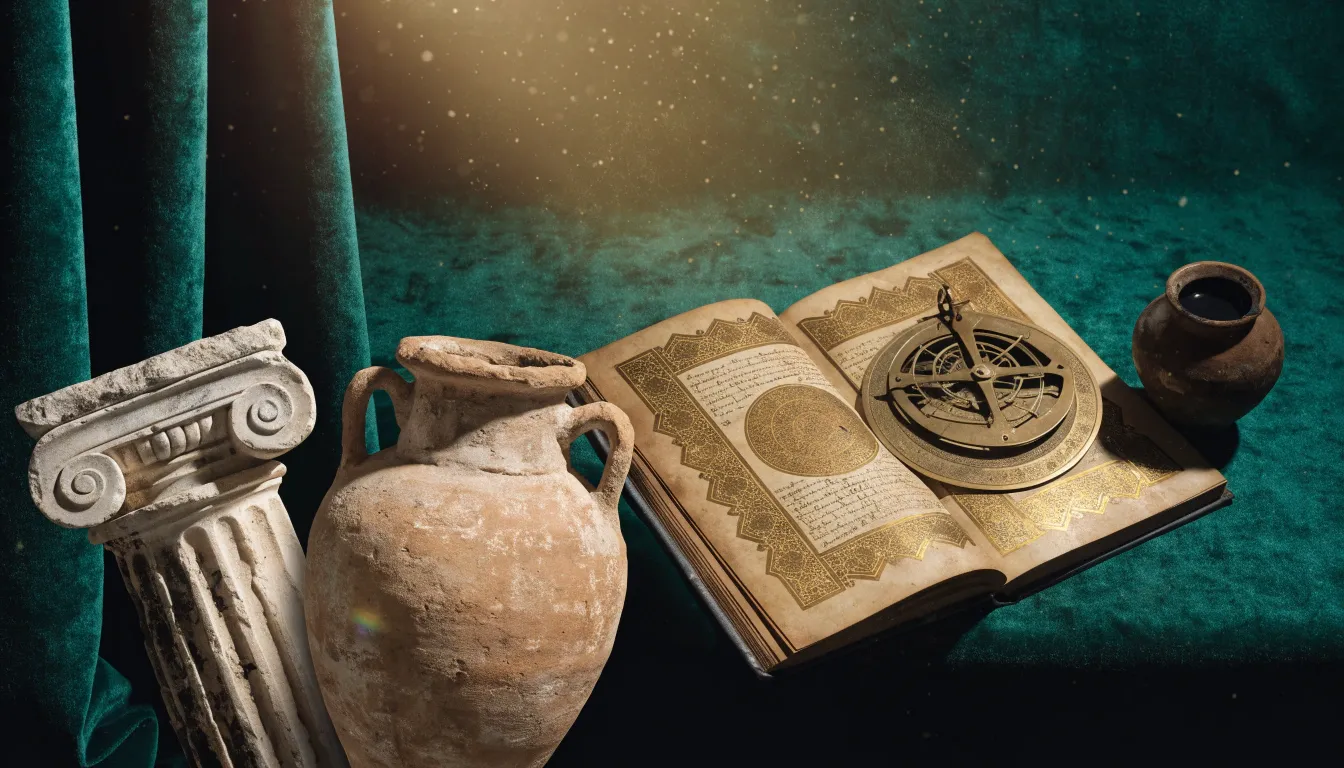
From Greek to Greco-Arab: the evolution of Unani medicine
Greco-ArabNot only Greek
Origins & Evolution

From Greek to Greco-Arab

The word Unani comes from Yunan (يونان), Greece, and the tradition’s foundations lie in the medical philosophy associated with Hippocrates and Galen, some 2,500 years ago. But Unani developed far beyond its Greek origins. Arab, Persian, Central Asian, South Asian and other physicians and scholars preserved those foundations, tested them against clinical experience, corrected them and expanded them greatly. That is how Greek medicine became Greco-Arab medicine.

  1. Greek foundationsHippocrates and Galen shaped the medical philosophy of temperament and the humors.
  2. Arab, Persian and Central Asian synthesisPhysicians and scholars of the Islamic world, among them Razi and Ibn Sina, refined the tradition. Ibn Sina’s Al-Qanun fi’l-Tibb was taught in European medical schools for centuries.
  3. South AsiaThe tradition was developed further across the subcontinent, where it remains a living clinical practice.
  4. Scientific correlationHk. Said’s vision: study the tradition alongside modern chemistry, biology and diagnostics. The BEMS program followed in 1994.

Unani is a cumulative tradition, not a static import from antiquity. Today it is practiced and taught across South Asia and beyond, and WHO recognizes it as a traditional medical system in global use, with international benchmarks and standardized terminology of its own.

Understanding the Terms

Words patients and families often hear, explained clearly. Open any term to read more.

Unani

يونان

From Yunan, the Arabic and Urdu name for Greece.

Read more

Unani and Greco-Arab medicine refer to the same tradition. The word reflects the important Greek foundations of the tradition, particularly the medical philosophy associated with Hippocrates and Galen. However, Unani medicine developed far beyond its Greek origins through the extensive contributions of Arab, Persian, Central Asian, South Asian and other physicians and scholars.

Unani should therefore not be understood as meaning “purely Greek medicine.” It is a medical tradition with Greek foundations that was extensively developed, refined and expanded across the Islamic world and South Asia. Unani is the commonly used name, including in official and international usage, while Greco-Arab describes the tradition’s origins more completely.
Tibb

طب

The Arabic and Urdu word for medicine, in any medical system.

Read more

In both of these expressions, Tibb simply means medicine or the practice of medicine, and the qualifying word identifies the tradition or source:

Tibb-e-Unani means Unani medicine, which is in essence Greco-Arab medicine.
Tibb-e-Nabawi refers to the health guidance, practices and remedies attributed in transmitted reports to the blessed life and teachings of the Prophet Muhammad ﷺ.

Tabib / Tabiba

طبيب / طبيبة

One who practices, or has knowledge of, Tibb: a practitioner of medicine in any medical system. Tabiba is the feminine form.

Read more

In its broadest sense the term refers to a practitioner of medicine and is not inherently restricted to one system. Historically, its usage has varied by time, place and medical tradition. Conceptually, a practitioner of Greco-Arab/Unani medicine, Ayurveda, Traditional Chinese Medicine or another recognized system may be described as a physician or medical practitioner.

The exact professional title depends on the nomenclature and regulatory framework of the relevant system and country. In Pakistan today, Tabib is also the formal term for practitioners of Unani medicine (Tibb-e-Unani) registered with the National Council for Tibb.

Hakim / Hakeem

حکیم

A traditional title for a wise and learned physician, from the Arabic word for wisdom. It is often compared to a specialist physician in any medical system.

Read more

The title is mainly associated with Tibb-e-Unani. The word comes from the Arabic root h-k-m, associated with wisdom, judgment and hikmah. Traditionally it conveyed more than the ability to treat disease: it implied a physician with learning, wisdom, clinical judgment and a deeper understanding of the principles of medicine.

The distinction between Tabib and Hakim should not be overstated as though they were universally standardized professional grades; their meanings and usage have varied historically and geographically. The difference between a general physician and a specialist is also not unique to Unani medicine: modern and traditional systems alike distinguish practitioners with general training from those who develop advanced expertise in a particular field.

The professional title Hakim should also be distinguished from الحكیم Al-Hakim, one of the Divine Names of Allah SWT, which carries a specific theological meaning. Some therefore prefer other titles for human practitioners. This is a matter of nomenclature and theological interpretation, not a scientific classification of medical practitioners.

Mualij

معالج

One who treats or provides treatment, in any medical system. In Urdu it is used broadly for a physician who treats patients.

Read more

A practitioner may be called a Mualij because of the therapeutic role they perform, whether their practice is Unani, biomedical, Ayurvedic or another recognized system. The word describes the function of treating patients; it does not specify a degree, specialty or academic qualification, and may not necessarily be equated technically with “General Physician” or “GP.”

Vaid / Vaidya / Kabiraj

वैद्य

A traditional South Asian practitioner of Ayurveda. The word means “one who knows” and comes from the Sanskrit root vid.

Read more

Vaidya is the standard term. Vaid is a shorter form of the same word, and Kabiraj is used in Bengali and some other regional dialects.

A Vaidya is trained in Ayurveda’s principles of diagnosis, treatment, diet and lifestyle. Ayurveda is a medical system that developed in South Asia over thousands of years.

Yisheng / Zhongyi

医生 / 中医

Yisheng is the everyday Chinese word for a doctor of any system. A practitioner of Traditional Chinese Medicine (TCM) is called a Zhongyi.

Read more

Patients in China use Yisheng for any medical doctor, whether trained in Western or traditional medicine. Zhongyi means Chinese medicine, and is also used for its practitioners.

A TCM practitioner is trained in diagnosis, treatment, diet and lifestyle, using approaches such as herbal formulas and acupuncture.

Doctor and Doctorate

“Doctor” is widely used for qualified practitioners in many medical systems. A doctoral research degree is a different kind of qualification.

Read more

In contemporary South Asian usage, “doctor” is commonly used as a broad professional term for qualified healthcare practitioners who diagnose and treat patients. However, the title “doctor” and possession of a doctoral research degree are not synonymous. Professional healthcare degrees, which combine years of academic study with supervised clinical training (for example, five years of study and a one-year house job), and academic doctorates are different types of qualification.

A PhD is awarded for original research of high merit, and its holder is also addressed as doctor.

Eastern Medicine

The wider term, associated with Hk. Muhammad Said’s vision: Greco-Arab, Ayurveda and Traditional Chinese Medicine, integrated with contemporary medical sciences.

Read more

The term is closely associated with Hk. Muhammad Said’s vision of bringing these traditions together with contemporary medical sciences in an integrated curriculum. In Pakistan, BEMS is the Greco-Arab qualification within this wider field.

Natural-medicine programs of comparable length and clinical depth abroad are generally described as naturopathic medicine, and their graduates are known as Naturopathic Doctors (ND) where the law provides for the title. Like BEMS, these programs combine an integrated curriculum with research-based correlation to modern medical sciences. In Pakistan, BEMS is regulated by the National Council for Tibb.

Eastern Medicine Physician

A qualified practitioner who has completed the five-year BEMS degree and the one-year house job, and holds NCT registration.

Read more

In Pakistan, the National Council for Tibb has recommended “Natural Medicine Doctor” as the professional title for qualified BEMS graduates. This is a Council recommendation only, and the title remains subject to applicable law and the approval of the Federal Government.

Abroad, regulated long-duration naturopathic medical programs lead to titles such as Naturopathic Doctor (ND) where the law of that jurisdiction provides for them.

A practitioner who also completes an M.Phil and a Ph.D in Eastern Medicine adds a research and academic specialization.

BEMS is a distinct professional degree, recognized by the Higher Education Commission, with practitioners registered by the National Council for Tibb. It does not by itself confer the registration or scope of practice of an MBBS or any other separately regulated profession.

At a glance

Quick reference to common terms
UnaniThe commonly used name of Greco-Arab medicine, which is not simply Greek medicine
TibbMedicine, in any medical system
Tabib / TabibaA practitioner of medicine in any medical system; in Pakistan, also the formal NCT term for registered practitioners of Tibb-e-Unani
Hakim / HakeemA traditional honorific in South Asia for a learned and wise physician, often compared to a specialist physician in any medical system
MualijOne who treats patients, in any medical system
Vaid / Vaidya / KabirajA traditional South Asian practitioner of Ayurveda
Yisheng / ZhongyiThe Chinese word for a doctor of any system; Zhongyi means a practitioner of Traditional Chinese Medicine
DoctorA broad professional term for qualified healthcare practitioners in many medical systems
Ph.DA doctoral research degree, a different type of qualification from a professional healthcare degree
Eastern MedicineThe wider term for the professional study of Greco-Arab, Ayurveda and TCM together with contemporary medical sciences
Eastern Medicine PhysicianA professional practitioner who has completed BEMS (5 years) and the house job (1 year), with NCT registration
Hk. Muhammad Said, founder of Hamdard and pioneer of Eastern Medicine in Pakistan
1948
Hamdard Founded

The Legacy of
Hk. Muhammad Said

Pakistan Clinicem proudly continues the legacy of Hk. Muhammad Said — the visionary who established Hamdard in 1948 with his patriotic philosophy: "Love Pakistan — Build Pakistan."

A global ambassador of Eastern Medicine, he revolutionized holistic healthcare by blending ancient healing wisdom with modern scientific rigor, establishing Eastern Medicine as a recognised, timeless therapeutic system that our clinic now brings to Karachi's health seekers.

"His pioneering work created an institution where centuries of Greco-Arab wisdom meet the clinical demands of contemporary practice — a vision we carry forward every day."

Institutional Milestones

From a single vision to a pioneering Eastern Medicine academic ecosystem in Pakistan

1948

Hamdard Pakistan Founded

Hk. Muhammad Said establishes Hamdard with a mission to revive natural, traditional medicine grounded in Eastern wisdom and made accessible to all.

1958

Hamdard Tibbia College

The precursor to the Faculty of Eastern Medicine is born — Pakistan's first dedicated institution for structured Eastern Medicine medical education rooted in classical texts.

1991

Hamdard University Established

The "City of Wisdom" — Madinat Al-Hikmah — opens in Karachi. Seven specialized faculties bridging Eastern tradition with modern research across disciplines.

1994

BEMS Degree Launched

Pakistan's groundbreaking Bachelor of Eastern Medicine System (BEMS) program — the first to formally integrate 1,300 years of Greco-Arab medicine with modern science.

Bait
Al-Hikmah

House of Wisdom

The university's landmark library safeguards priceless Eastern Medicine manuscripts while hosting cutting-edge medical dialogues and research initiatives.

SUMMH

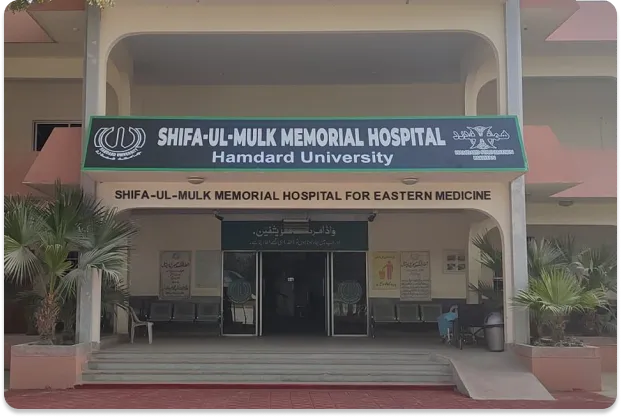
Shifa-ul-Mulk Hospital

A 150-bed hospital offering free Unani and allopathic treatment to the villages around Madinat Al-Hikmah, and training students of Eastern and conventional medicine.

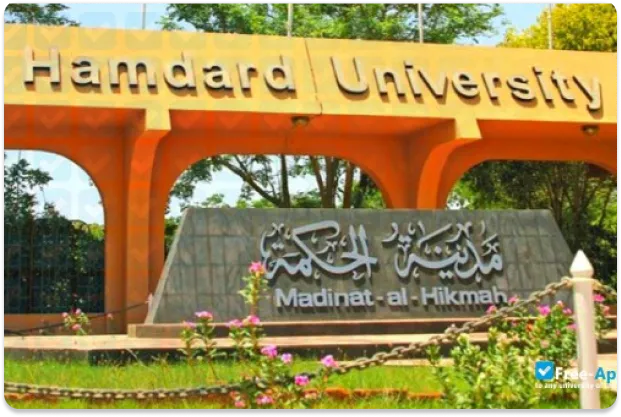
Madinat Al-Hikmah — Hamdard University campus
FoundedHamdard University · 1991
1991 · Karachi

Hamdard University
Madinat Al-Hikmah

Founded in 1991 by Hk. Muhammad Said, Hamdard University stands as a beacon of integrated learning. More than an academic institution, it revitalizes Muslim intellectual traditions by blending Eastern Medicine's ancient wisdom with modern scientific research.

The university's seven specialized faculties — from Eastern Medicine to Engineering — create a dynamic ecosystem where students merge traditional knowledge with cutting-edge innovation, fulfilling Hk. Muhammad Said's vision of holistic education that bridges past and future.

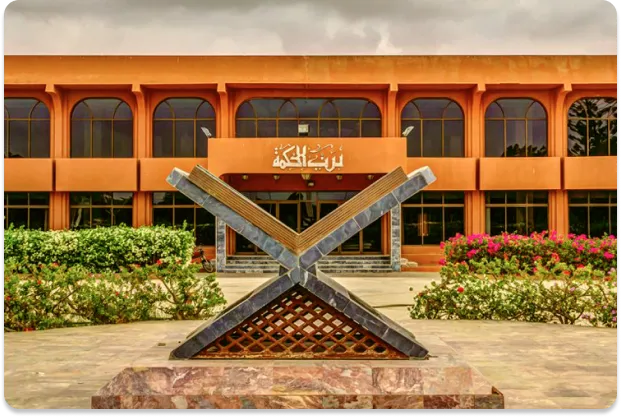
Bait Al-Hikmah library at Hamdard University
KnowledgeBait Al-Hikmah
House of Wisdom

Bait Al-Hikmah
House of Wisdom

At the heart of Madinat Al-Hikmah stands the Bait Al-Hikmah — Hk. Muhammad Said's visionary library that bridges ancient healing wisdom with modern research.

This treasury safeguards priceless Eastern Medicine manuscripts while hosting cutting-edge medical dialogues, offering students and practitioners access to centuries of herbal remedies, traditional therapies, and related scientific research.

Browse the library’s digital catalogue (opens in a new tab)

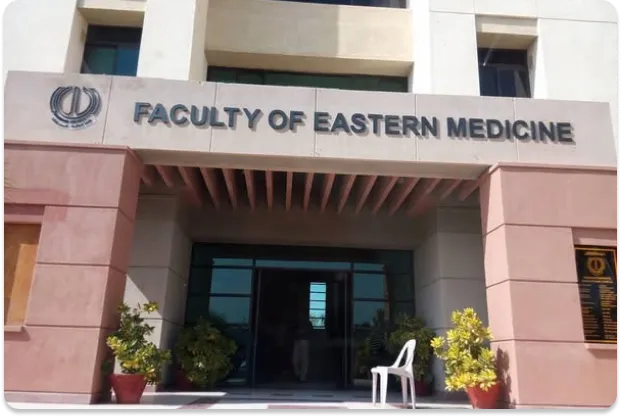
Faculty of Eastern Medicine, Hamdard University
SinceTibbia College · 1958
Pioneering Faculty

Faculty of
Eastern Medicine

Pakistan Clinicem proudly carries forward the rich tradition established by Hamdard University's Faculty of Eastern Medicine(opens in a new tab) — Pakistan's pioneering BEMS degree institution that evolved from Hk. Muhammad Said's visionary 1958 Tibbia College.

As this prestigious faculty continues to blend golden-era Islamic medical wisdom with modern research, we bring that same academic rigor directly to patient care in Karachi.

Bachelor of Eastern
Medicine System

Launched in 1994 as the Bachelor of Eastern Medicine & Surgery, this groundbreaking medical program masterfully integrates 1,300 years of Greco-Arab healing wisdom with modern medical science. Our BEMS-qualified practitioners offer physician-led Eastern Medicine care — where time-tested herbal remedies meet structured therapeutic approaches.

Academic Note: In 2022, HEC Pakistan removed “Surgery” from the degree title (Bachelor of Eastern Medicine & Surgery became Bachelor of Eastern Medicine) to avoid confusion about surgical practice. The program is now referred to as the “Bachelor of Eastern Medicine System (BEMS).” The comprehensive curriculum maintains its rigorous structure encompassing Basic Medical Sciences, Obstetrics/Gynecology, Pharmacology, Pharmacognosy, and foundational surgical concepts. A one-year house job and NCT registration follow the five academic years.

Curriculum Revisions
  1. 2004
    Revised curriculum for BEMS and M.Phil

    Finalized by HEC’s National Curriculum Revision Committee on Eastern Medicine in May 2004.

    View the HEC document (PDF) (opens in a new tab)
  2. 2015
    Revised BEMS curriculum

    Finalized at a National Curriculum Revision Committee meeting held from 30 March to 1 April 2015. It recommended the semester system, with the annual system also permitted.

    View the document (PDF, hosted by NCT) (opens in a new tab)
  3. 2026
    Outcome-Based Education (OBE) revision

    After 11 years, the OBE Curriculum Development Committee held its final meeting on 18 September 2026 at Qarshi University, Lahore. Senior academics, heads of BEMS institutes, subject experts and other stakeholders met to revise the curriculum under an outcome-based framework, as announced by the BEMS Medical Association Pakistan. The deliberations focused on:

    • Curriculum structure and learning outcomes
    • Competency-based education
    • Clinical training and assessment
    • Contemporary educational approaches alongside traditional foundations

Until a revised curriculum is notified, please refer to HEC and NCT for the current version.

1300+
Years of Greco-Arab Tradition
5+1
Years Academic + Clinical
7
University Faculties
150
Bed Teaching Hospital

BEMS Today: From Degree to Practice

How a BEMS practitioner is trained and registered in Pakistan.

  1. 1

    BEMS degree

    Five years, ten semesters and 222 credit hours of university study: basic medical sciences, allied health sciences, clinical sciences, pharmacology and pharmacognosy, community medicine and clinical research methods.

  2. 2

    House job

    One year of supervised clinical training, with rotations across hospital departments.

  3. 3

    NCT registration

    A House Job Certificate is required before a graduate can register with the National Council for Tibb.

  4. 4

    Clinical practice

    Registered practitioners work in private practice, hospitals, teaching and research.

  5. 5

    MPhil & PhD

    Postgraduate study and research, including at Hamdard University’s Faculty of Eastern Medicine(opens in a new tab).

Who is an Eastern Medicine Physician?

A practitioner who has completed the five-year BEMS degree and the one-year house job, and who holds registration with the National Council for Tibb. Those who go on to complete an M.Phil and a Ph.D in Eastern Medicine add a research and academic specialization.

BEMS is a distinct professional degree, recognized by the Higher Education Commission, with practitioners registered by the National Council for Tibb. It does not by itself confer the registration or scope of practice of an MBBS or any other separately regulated profession.

How comparable training is described abroad

Natural-medicine education varies widely around the world. The World Naturopathic Federation distinguishes practitioner-level programs of around 2,500 hours from naturopathic-doctor programs of 4,000 hours or more. In North America, accredited naturopathic medical programs are four-year, post-baccalaureate degrees of at least 4,100 hours, and licensed graduates use the title Naturopathic Doctor (ND) or, in some jurisdictions, NMD.

BEMS is a five-year, ten-semester, 222-credit-hour university degree followed by a one-year house job. Hours and credits are counted differently from country to country, so this is a comparison of the kind of training, not a claim of equivalence. In every country, professional titles and scope of practice are set by that country’s own law. Credit hours reflect the currently published curriculum and may change once the revised outcome-based curriculum is notified.

NCT-recognized BEMS departments

The National Council for Tibb lists these universities as recognized BEMS departments. It also advises students to confirm a program’s recognition before applying. Select a university to visit its department page.

A global direction

~80%of the world’s population is estimated to use traditional medicine
170 of 194WHO Member States have reported its use

In May 2025 the World Health Assembly adopted the WHO Global Traditional Medicine Strategy 2025–2034. It asks countries to build the evidence base, ensure safety and quality through regulation, and integrate traditional medicine into health systems where appropriate.

In Pakistan, BEMS rests on the same pillars: university training, statutory registration and active research.

Shifa-ul-Mulk Memorial Hospital
150-BedTeaching Hospital
Teaching Hospital

Shifa-ul-Mulk
Memorial Hospital

Pakistan Clinicem draws inspiration from SUMMH, Hamdard’s 150-bed hospital offering free treatment to the villages around Madinat al-Hikmah through both Unani and allopathic care.

The hospital grew from a 50-bed facility focused mainly on Unani treatment into a full-service general hospital. Hamdard Foundation reports an outpatient department of more than 10 doctors and hakims seeing over 250 patients a day, with departments including Medicine, Surgery, Gynaecology & Obstetrics, ENT, Paediatrics, Radiology and Orthopaedics, plus emergency, laboratory and pharmacy services and separate male and female wards. It also provides training facilities for students of the Faculty of Eastern Medicine and Hamdard College of Medicine and Dentistry.

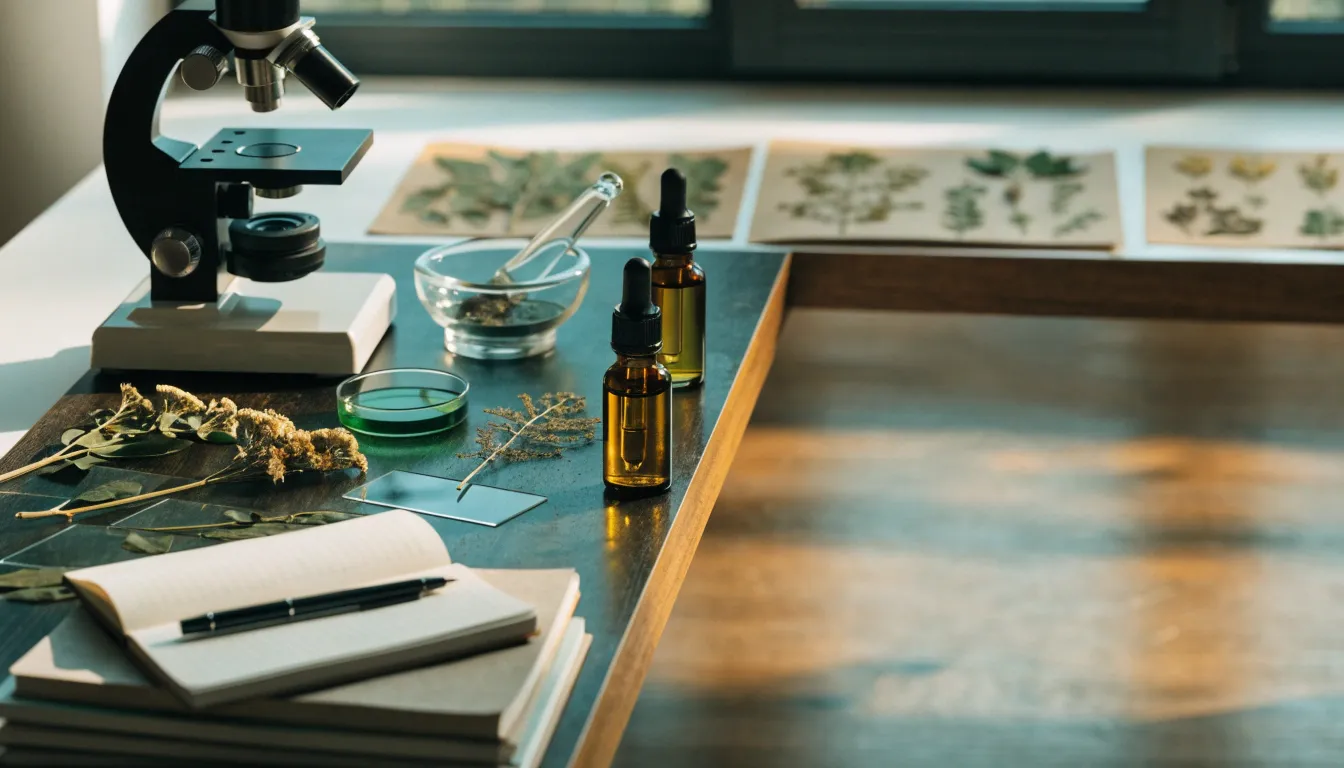
Eastern Medicine research and journals at Hamdard University
ScholarshipResearch & Journals
Research

Research & Journals

Eastern Medicine has a growing research base. The BEMS curriculum includes clinical research methodology, and MPhil and PhD programs at Hamdard University and other universities extend that work into original research.

That research reaches the profession through journals. These are a good starting point for practitioners and curious readers alike.

Cover of Hamdard Medicus

Hamdard Medicus

Published since 1957

Hamdard University’s long-running medical journal, bringing Unani and Eastern medicine together with modern medical research.

Visit journal (opens in a new tab)
Cover of Hamdard Journal of Pharmacy

Hamdard Journal of Pharmacy

Founded in 2019

A forum for research in the biological, medicinal and pharmaceutical sciences, linking researchers across academic and research institutions.

Visit journal (opens in a new tab)
Cover of the Pakistan Journal of Unani Medicine

Pakistan Journal of Unani Medicine

Official journal of the NCT

A peer-reviewed journal of the National Council for Tibb covering current research and practice in Unani medicine, including work on its classical texts.

Visit journal (opens in a new tab)
Cover of the International Journal of Natural Medicine and Health Sciences

International Journal of Natural Medicine and Health Sciences

Quarterly · Open access

A peer-reviewed, double-blind journal from the University College of Conventional Medicine, Islamia University of Bahawalpur, on current research and practice in natural medicine.

Visit journal (opens in a new tab)

Pakistan Association for Eastern Medicine

PAEM describes itself as the national representative body of physicians, scholars and researchers in Eastern Medicine. In 1968 Hk. Muhammad Said founded the Society for the Promotion of Eastern Medicine to bring all the professionals of Eastern Medicine together, and PAEM was formally announced in 1998. It organizes symposiums, international conferences and continuing professional education seminars.

Visit PAEM (opens in a new tab)

Inspiring
Future Generations

At Pakistan Clinicem, we proudly continue Hk. Muhammad Said's revolutionary legacy — where his BEMS program sparked a nationwide revival of Eastern Medicine education. Just as he bridged ancient wisdom with modern practice through his "Love Pakistan — Build Pakistan" mission, our clinic brings this same integrated approach to every patient.

Today, as interest in traditional medicine grows worldwide, we honour his vision by offering Eastern Medicine care grounded in university training, physician supervision and an honest view of the evidence.

Inspiring future generations in Eastern Medicine
Key Milestones

A History of Healing Excellence

1948
Hamdard Pakistan Founded
Hk. Muhammad Said establishes Hamdard with his "Love Pakistan – Build Pakistan" vision
1958
Tibbia College Established
Hk. Muhammad Said founds Hamdard Tibbia College — the predecessor of today's Faculty of Eastern Medicine
1991
Hamdard University
Madinat Al-Hikmah campus established — integrating Eastern wisdom with modern science across 7 faculties
1994
BEMS Degree Launched
Pakistan's first Bachelor of Eastern Medicine & Surgery — 5 years academic + 1 year clinical training
2022
HEC Updates Degree Title
“Surgery” is removed from the degree title; the program is now known as the Bachelor of Eastern Medicine System. Five academic years, a one-year house job and NCT registration remain the pathway to practice

Principles of Eastern Medicine

The clinical framework that shapes every diagnosis and treatment plan at Pakistan Clinicem — rooted in classical Greco-Arab medicine, applied with a modern clinical understanding.

Mizaj — temperamental constitution in Eastern Medicine
Foundational ConceptMizaj · Temperament
Constitutional Medicine

Understanding Mizaj

Mizaj refers to the unique temperamental constitution of every individual — determined by the qualitative balance of Hot, Cold, Wet, and Dry properties within the body. No two patients share an identical Mizaj, which is why Eastern Medicine treats the person, not merely the diagnosis.

At Pakistan Clinicem, constitutional assessment of Mizaj is the first step of every OPD consultation, shaping which foods, remedies, and regimens will genuinely suit the patient — an approach that closely parallels the modern shift toward individualized, precision-based care.

Akhlat — the four humors in Eastern Medicine
Physiological BasisAkhlat · The Four Humors
Humoral Physiology

Balance of Akhlat

Classical Eastern Medicine identifies four fundamental humors — Dam (Blood), Balgham (Phlegm), Safra (Yellow Bile), and Sauda (Black Bile) — whose proportionate balance (Sehat) sustains health, while their imbalance (Su-e-Mizaj) is understood as the origin of disease.

In the classical framework, assessing Akhlat imbalance guides the choice of corrective therapy — dietary regulation, evacuative measures, or Murakkabat (compound formulations) — aiming to restore equilibrium rather than addressing an isolated symptom alone.

Avicenna's Six Essential Factors — Asbab-e-Sitta Darooriya
Ibn Sina's ContributionAsbab-e-Sitta Darooriya
Preventive Framework

The Six Essential Factors

Ibn Sina (Avicenna) codified six essential, unavoidable factors — Asbab-e-Sitta Darooriya — that govern health on a daily basis. Deviation in any one disturbs Mizaj and predisposes the body to illness:

  • Air & Environment — the quality of surrounding air and climate
  • Food & Drink — quantity, quality, and suitability to Mizaj
  • Physical Activity & Rest — balanced exertion and recovery
  • Sleep & Wakefulness — restorative rhythm of the body
  • Psychological State — emotional and mental equilibrium
  • Excretion & Retention — the body's elimination processes
Pulse and constitutional diagnosis in Eastern Medicine
Clinical AssessmentDiagnostic Framework
Diagnostic Framework

Avicenna's Diagnostic Parameters

Al-Qānūn fī al-Ṭibb outlines a structured diagnostic method built around Nabz (pulse examination), Baul (urine analysis), Baraz (stool examination), and overall constitutional observation — each parameter correlating findings back to the patient's Mizaj and Akhlat status.

These classical parameters remain integral to OPD assessment at Pakistan Clinicem, applied alongside contemporary clinical evaluation — together forming a fuller picture than either approach offers on its own, and directly informing an individualized treatment plan.

Constitution-based treatment philosophy in Eastern Medicine
Therapeutic PhilosophyConstitution-Based Care
Constitution-Based Care

Looking for the Underlying
Imbalance

In Eastern Medicine, a symptom is understood as the body's outward expression of an underlying imbalance (Sabab) — not the disease itself. In the classical view, treatment is therefore directed at correcting that underlying imbalance, whether it lies in Mizaj, Akhlat, or one of the Six Essential Factors.

In the classical view, restoring balance is expected to ease symptoms. This is a framework, not a guarantee of outcome, and it is applied alongside — never instead of — conventional diagnosis and treatment.

Physician-formulated Eastern Medicine preparations
Clinical PracticeIndividualized Formulation
Individualized Formulation

Why We Prescribe
Individually

Generic, over-the-counter herbal products apply a single fixed formulation to every buyer, irrespective of Mizaj, Akhlat status, or disease stage. Physician-formulated Murakkabat, by contrast, are prepared and dosed specifically for the individual patient's constitution and clinical presentation.

This individualized approach — parallel in principle to modern precision dosing — may allow a more individualised response and closer monitoring for contraindications and herb–drug interactions.

"

To cure sometimes, to relieve often, to comfort always.

— Traditional medical saying
2,500 Years of Healing Wisdom

Discover Eastern Medicine —
As It Was Always Meant to Be Practiced.

Pakistan Clinicem brings Hk. Muhammad Said’s vision to life in modern Karachi. Experience Eastern Medicine that is evidence-informed, holistic, and deeply personal.